
Barnombudet kan hjälpa dig som är beslutsfattare med allt du behöver tänka på vid beslut som rör barn.
Kontakt
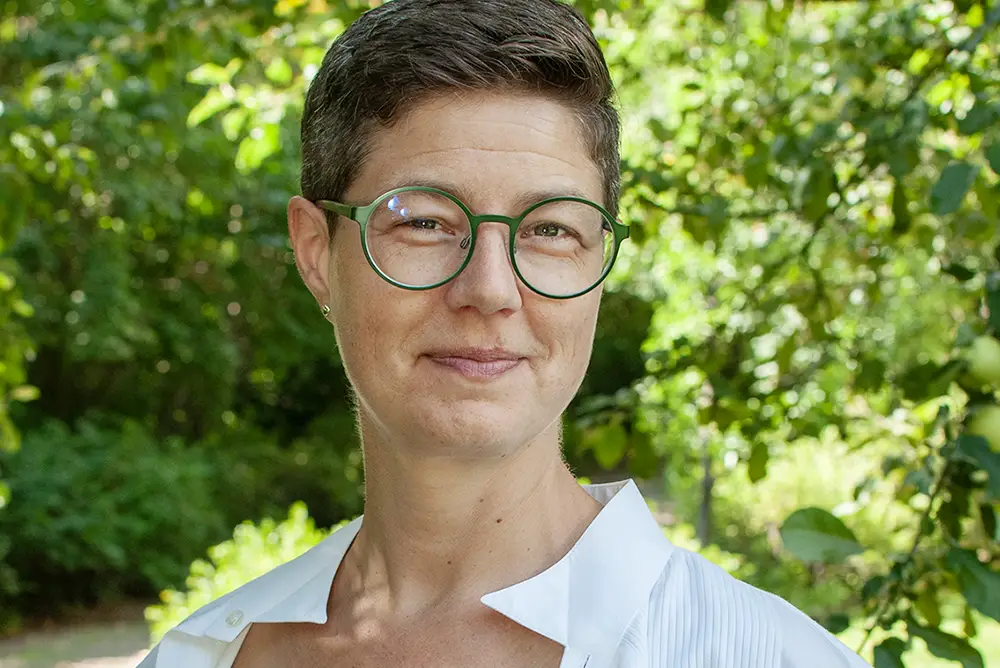
Lisa arbetar med samverkan, påverkan och information, samt med stödärenden.
Hon är verksamhetschef och personalansvarig.
Lisa är också ordförande i Barnskyddsrådet.
Kontakt
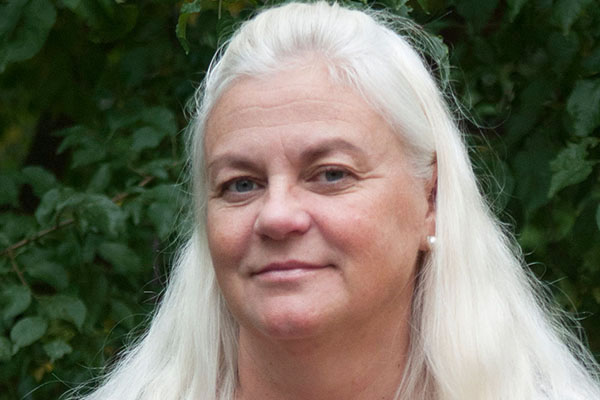
Karin arbetar med att stärka barns och ungas röster. Hon arbetar också med stödärenden och har hand om regionens sommarjobbare.
Barnombudet
Ett lokalt, fristående barnombud
Barnombudet är en ideell förening. Vi arbetar lokalt, regionalt och nationellt, alltid nära barn. Vårt kontor ligger i Uppsala.
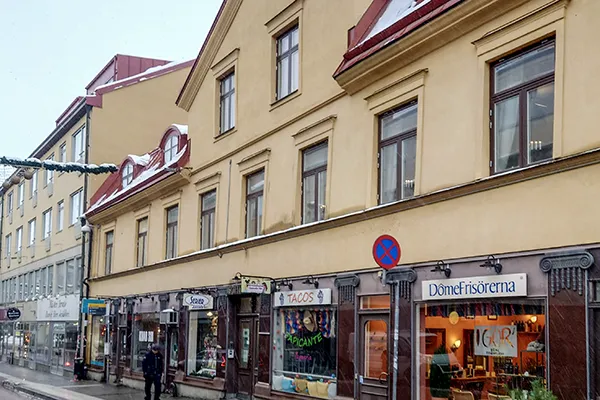
Vi har idéburet offentligt partnerskap med Uppsala kommun och Region Uppsala.
Vi är helt fristående från kommun, region och stat. Det ger oss stora möjligheter att agera för barns och ungas rättigheter.
Kontakt
Sociala medier
När det ska tas beslut om personer under 18 år måste de som bestämmer se till att det blir så bra det bara går för dem som det handlar om.
De ska ta reda på vad barnen behöver, och vad de vill. Ju äldre och mognare barnet är, desto mer måste den som beslutar bry sig om åsikterna!
Några exempel på beslut om barn
Ett ”beslut” kan vara många olika saker. Ibland kan det vara otydligt om något är ett beslut.
Ska någon bestämma om det ska bli en förändring för ett eller flera barn? Då kommer det att tas beslut.
- Det ska möbleras om på förskolan
- Socialtjänsten ska besluta om försörjningsstöd för en familj
- Ett nytt bostadsområde ska planeras
- Fritids får nya öppettider
- En elev behöver särskilt stöd
3 steg på vägen
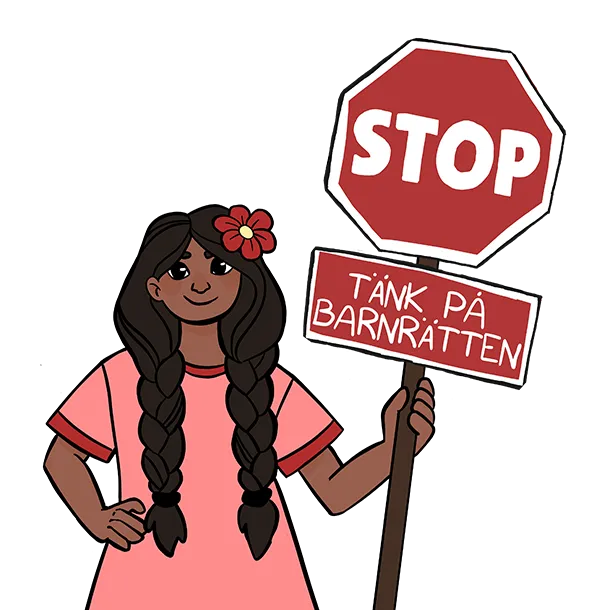
1. Tänk på barnrätten!
Gör en bedömning av om det behövs ett barnrättsligt underlag.
Vi hjälper dig att ta reda på vad barn och unga vill

2. Undersök barnets bästa
Ta reda på vad som blir barnets bästa i beslutet. Vad vill det berörda barnet – och vad behöver det? Barnrättsglasögonen hjälper dig se vad som är viktigt.
Barnrättsglasögonen

3. Kompensera
Om det trots allt inte går att genomföra det som skulle vara det bästa för de barn eller unga som berörs – förbättra på något annat sätt i stället!
Gå direkt till:
Intresserad av föreläsning eller workshop?
Våra föreläsningar och workshops vänder sig framför allt till beslutsfattare och vuxna som arbetar med barn.